
EES launched: what the new EU Entry/Exit System means for family travel
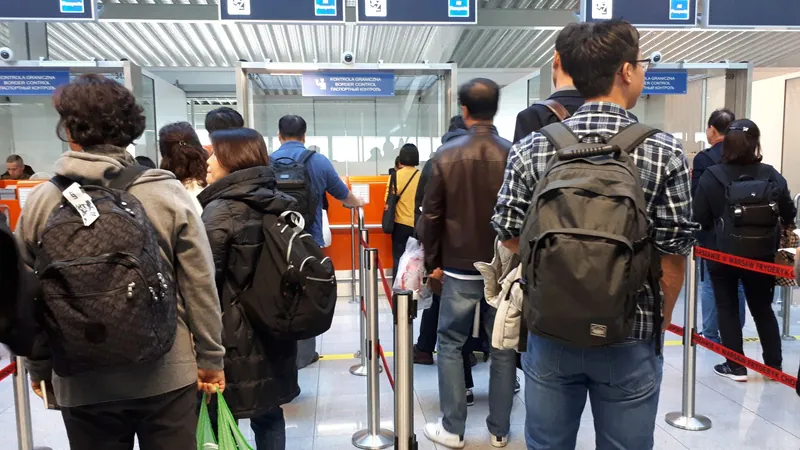
The new EU Entry/Exit System (EES) started on 12 October 2025, and it changes how non-EU families cross the Schengen border: passport stamps are being replaced by a digital record with a photo and, for adults and older kids, fingerprints. The system is phased in over several months, just as many families travel for autumn half-term. Here is who must register, what happens with children and how to plan your trip calmly.
Why now: the Entry/Exit System rollout from 12 October
EES applies to non-EU nationals visiting the Schengen area for short stays, and the first registration happens at your first crossing after the start. It is being introduced step by step at airports, ports and land borders across 29 countries, so procedures can differ from one border to another during the first months.
- Who: non-EU travellers on short stays, for example British, American or Australian families.
- Who not: EU citizens and holders of a residence permit in a Schengen country.
- What: passport details, a face image and fingerprints (not for children under 12).
- How often: the full registration is needed once; later trips use a quicker check.
The official EU Entry/Exit System website has the details. Do not confuse it with ETIAS, a separate online travel authorisation that is planned to start later.
Top 6 family destinations this autumn and what EES means there
For most families, EES means a few extra minutes at the first border check, not a reason to change plans. Busy airports and cross-Channel routes may see longer queues in the early weeks.
| Destination | How families usually arrive | Where EES happens | Tip | Price |
|---|---|---|---|---|
| Paris and Disneyland | Eurostar or plane | London St Pancras or airport | arrive earlier than usual | premium |
| Amsterdam | plane, train, ferry | airport or port | use kiosks if offered | mid-range |
| Lisbon | plane | airport | keep passports in one place | mid-range |
| Rome | plane | airport | allow extra time in high season | mid-range |
| Barcelona | plane | airport | travel mid-week | mid-range |
| The Alps via Geneva | plane | airport | check which side of the airport you exit | premium |
Price level for a family day of sightseeing: budget = under about €80, mid-range = about €80–150, premium = over €150. Approximate, prices change.
See family attractions in Paris on the Kid.ooo map
Popular half-term goals are easy to combine with a smooth border plan. Families travelling by Eurostar go through French border checks in London, so arrive in good time. In Paris, Disneyland Paris is the classic half-term treat. In Amsterdam, the NEMO Science Museum is perfect for rainy days. In Lisbon, the Oceanário de Lisboa is a hit with all ages, and in Rome the children's museum Explora gives little ones a break from ruins.
Getting there with kids: car, train and stops
Plan extra time at the first border crossing and keep all passports in one easy-to-reach place.
- Airports: arrive earlier than usual; some airports use self-service kiosks for part of the registration.
- Trains: for Eurostar, the check happens before boarding in London, so allow extra time at the station.
- Ferries and cars: at ports, registration may take place at the booth or at kiosks; follow local instructions.
- Kids: children under 12 do not give fingerprints, but they need to stand for a photo. Prepare them, and bring snacks for the queue.
Where to stay: family-friendly stays
Book your first night close to the arrival airport or station, so a longer border queue does not ruin your evening. This matters most in the first weeks of the new system, when staff and travellers are still getting used to it. Apartments with a kitchen give you flexibility if you arrive late. Ask about cots, high chairs and late check-in.
Where to eat with kids
Pack snacks and water for the border queue, then plan a relaxed first meal near your hotel. Airports and big stations have family-friendly cafés. Find kid-friendly restaurants near your stay on the Kid.ooo map.
Rainy-day plan B
Autumn half-term weather is unpredictable, so plan one indoor option per day. Science centres, aquariums and children's museums are ideal. More ideas are in our guide to splash parks and water playgrounds, many of which are indoor water parks. For quieter places, see late-summer escapes, and for good-value timing, our shoulder-season guide.
Packing checklist
Keep documents organised and the kids entertained in queues.
- Valid passports for every family member, checked well before departure
- Any visas or residence documents that apply to you
- Snacks, water and a small toy or book for each child
- Phone charger and power bank for digital tickets
- Warm layers and rain jackets for autumn weather
For travel ideas with older kids and teens, follow @wyld_family_travel on Instagram.
Save your autumn trip in Kid.ooo
Kid.ooo is a free kid-friendly places map where parents share attractions, playgrounds and cafés across Europe. Use it as your family travel app for Europe: save a café near the airport, a playground near your hotel and a rainy-day museum before you fly.
Plan your half-term trip on the Kid.ooo map
Missing a place you loved? Add it to Kid.ooo and help the next family travelling this autumn.
Frequently asked questions
What is the EU Entry/Exit System (EES)?
EES is a digital system that registers non-EU travellers on short stays when they enter or leave the Schengen area. It replaces passport stamps with a record of your passport details, face image and, for most adults, fingerprints. It started on 12 October 2025 and is being phased in over several months.
Do children have to register in EES?
Yes, children who are not EU citizens are registered too, but children under 12 do not give fingerprints. Their face image and passport details are recorded, so plan a little extra time at the border.
Does EES apply to EU citizens?
No. EU citizens and people with a residence permit in a Schengen country are not registered in EES. It applies to non-EU nationals on short stays, including British and many other visitors.
Is EES the same as ETIAS?
No. EES records entries and exits at the border, while ETIAS is a separate online travel authorisation for visa-free visitors that is planned to start later. You do not need to apply for EES in advance.
Find family places near you
Open the kid.ooo map in your browser – no download needed.